Comparable RFQ workflow
Bus Mini Bus Factory Quote Coordination
A usable quotation begins with one configuration brief. We help business buyers state the passenger duty, options, quantity, destination, evidence scope, and commercial basis before candidate factories respond.
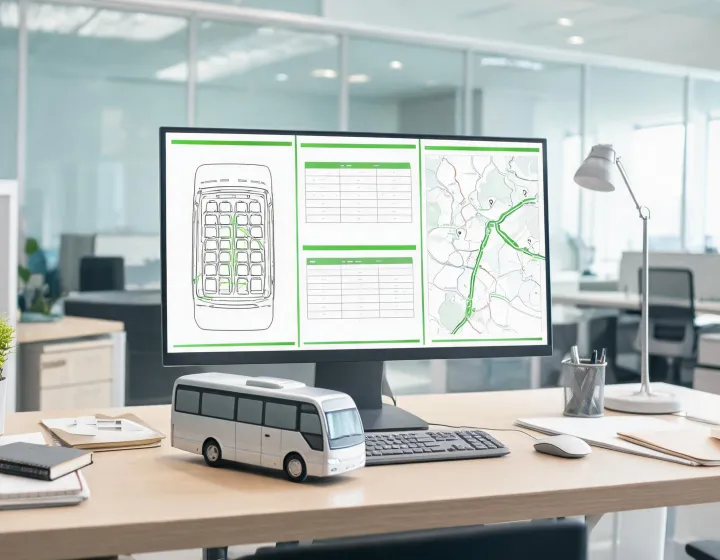
Supplier matching inputs
Powertrain fields are matched to the route, not to a headline claim
Internal-combustion and battery-electric mini buses can serve similar passenger tasks, yet their quotation fields are different. We ask each factory to expose the assumptions behind its proposed system.
Power input
For combustion models, identify engine, fuel, transmission, axle and emissions configuration. For electric models, distinguish nominal from usable battery capacity, motor output, thermal controls, connector, and available AC or DC charging power.
Duty basis
Provide daily distance, route speed, grade, stop frequency, passenger load, luggage, climate, idle or dwell periods, and operating hours. A test-cycle range figure is not a duty-cycle commitment.
Energy and service
State fuel quality or electrical supply, depot parking time, charging windows, diagnostic expectations, service documentation, parts planning, and operator training. Confirm what is included rather than assuming infrastructure follows the vehicle.
Four decisions that keep factory responses comparable
Duty
Describe passengers, route type, road speed, grade, climate, stop frequency, daily hours, storage conditions, and accessibility use. These facts shape the vehicle before cosmetic options are discussed.
Configuration
Fix seat count and arrangement, door positions, wheelchair spaces, luggage, body dimensions, wheelbase, HVAC, powertrain, and any destination-required safety equipment.
Quantity
Separate the order into identical configuration groups. Note prototype, sample, pilot, or staged-production expectations without assuming the supplier will offer them.
Destination
Name the US state or port, preferred Incoterm, inspection location, documents, packing or preservation needs, and requested delivery window.
Questions to resolve before a mini bus quotation is accepted
Can MiniBus Match confirm stock or a final price?
No. Price, availability, MOQ, customization feasibility, and lead time require a current supplier quotation for the exact configuration and quantity.
How do you compare quotations?
We normalize body and seating layout, powertrain, ratings, options, quantity, destination, Incoterm, inspection, documents, and delivery scope. Vehicle price is kept separate from inland transport, freight, duty, and destination-side services.
Does a model-family document prove US applicability?
No. Documents must match the exact category, model, configuration, and model year. Destination acceptance, registration, and import review remain separate.
Is the highest passenger count always the right basis?
No. Added luggage, wheelchair positions, door geometry, HVAC, options, and load distribution can change usable seating and ratings. Request the layout and rating basis for the quoted vehicle.
How should an alternative be reviewed?
Compare it against the same duty and acceptance criteria. Ask the supplier to identify every deviation, related evidence, commercial exclusion, and effect on delivered scope before approval.
Share one bus mini bus configuration, quantity, and destination
MiniBus Match will structure the requirement for candidate factory responses. A sourcing request is not a purchase, certification, registration, or delivery guarantee; the exact proposal remains subject to buyer review.